

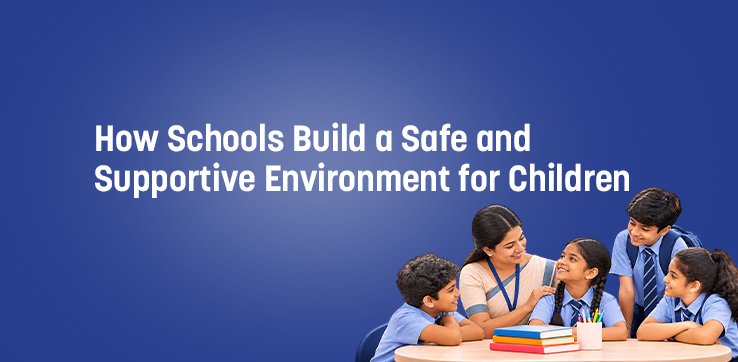
A child’s experience at school goes beyond textbooks, examinations, and classroom lessons. It is also about feeling comfortable enough to ask questions, make mistakes, build friendships, and express emotions without fear. A safe and supportive school environment gives children the confidence to participate, the freedom to explore their interests, and the reassurance that someone is there to guide them when they need help.
While physical safety measures are essential, a school’s responsibility extends to emotional well-being, social development, and the everyday experiences that shape a child’s understanding of the world. Creating such an environment requires consistent effort from teachers, school leaders, and the wider school community.
Physical Safety Is the Foundation of Learning
Children need to feel physically secure before they can focus comfortably on learning. A well-maintained campus, secure entry points, supervised play areas, clean classrooms, and accessible first-aid facilities are important elements of school safety. Clear emergency procedures and regular safety drills also help staff and students respond calmly to unexpected situations.
However, safety is not limited to infrastructure. Regular maintenance of classrooms, laboratories, playgrounds, and other shared spaces demonstrates that the school takes children’s well-being seriously. When students learn in clean, organised, and age-appropriate surroundings, they can participate more confidently in academic and extracurricular activities.
For parents choosing a CBSE-affiliated school in Karunagappally, these practical measures are important considerations alongside teaching quality and academic standards.
Emotional Safety Helps Children Learn with Confidence
A child who is afraid of being laughed at for giving a wrong answer may hesitate to participate in class. Similarly, a student who feels constantly criticised may become reluctant to try something unfamiliar. Emotional safety helps prevent these barriers from affecting a child’s learning experience.
Teachers play a central role in creating this sense of security. Listening patiently, correcting mistakes respectfully, encouraging questions, and acknowledging individual efforts help children feel valued. Instead of treating every mistake as a failure, teachers can use it as an opportunity to explain, practise, and improve.
This approach is particularly important during the early school years, when children are developing confidence in their abilities. In a supportive classroom, students learn that asking for help is a positive step and that improvement matters more than getting everything right the first time.
Positive Relationships Build a Sense of Belonging
School is one of the first places where children learn to interact with people outside their families. They develop friendships, encounter different opinions, and begin understanding cooperation, empathy, and responsibility.
A positive school culture encourages children to respect differences, share responsibilities, and resolve disagreements constructively. Group activities, team projects, sports, and classroom discussions provide opportunities to practise these skills in everyday situations.
Teachers must also remain attentive to exclusion, teasing, and bullying. Early intervention can prevent minor disagreements from becoming repeated patterns of hurtful behaviour. Children should know whom to approach when something makes them uncomfortable and trust that their concerns will be taken seriously.
An English medium CBSE school in Karunagappally can support this development by combining academic learning with collaborative activities, communication opportunities, and age-appropriate lessons in social responsibility.
Consistent Routines Make Children Feel Secure
Predictability is an important part of a supportive learning environment. Clear classroom expectations, familiar daily schedules, and consistent disciplinary practices help children understand what is expected of them. When rules are explained fairly and applied consistently, students are less likely to feel confused or anxious about how adults will respond.
Transitions also deserve attention. A child joining a new school, moving to another class, or returning after a long break may need additional reassurance. Teachers can help by introducing routines gradually, checking in with students, and providing opportunities to build new relationships.
Consistency does not mean treating every child identically. Some students may need extra time, individual guidance, or different ways of participating. Recognising these differences allows schools to provide appropriate support without making children feel singled out.
Encouraging Individual Growth and Emotional Well-Being
Every child develops at a different pace. While some students readily participate in discussions, others may need encouragement before speaking in front of their classmates. Some may excel academically but struggle with friendships, while others may demonstrate their abilities through art, sport, music, or practical activities.
A supportive school recognises these differences instead of measuring every child against the same expectations. Teachers who observe changes in behaviour, learning patterns, and social interactions can identify when a student may need additional attention.
Schools can also introduce age-appropriate conversations about emotions, stress management, kindness, and conflict resolution. Where concerns require specialised support, communication with parents and referrals to qualified professionals can help children receive appropriate assistance.
The Role of Parents and School Leadership
Building a safe school environment is a shared responsibility. Open communication between parents and teachers helps both understand a child’s progress, challenges, and changing needs. When concerns are discussed early and respectfully, solutions can be developed before difficulties affect learning or well-being.
School leadership is equally important. Clear child-protection policies, staff training, accessible reporting procedures, and regular reviews of safety practices help turn good intentions into consistent action. Teachers and other school staff also need guidance and support to manage challenging situations effectively.
A school that actively listens to students, parents, and staff can identify gaps in its practices and make meaningful improvements over time.
Creating an Environment Where Every Child Can Grow
A safe and supportive school is built through everyday actions: a teacher who listens, a classroom where questions are welcomed, a playground where children are supervised, and a school culture where respect is practised rather than merely discussed.
For families considering a CBSE-affiliated school in Kollam, understanding how a school approaches physical protection, emotional well-being, inclusion, and personal development can be just as important as reviewing its academic performance.
Ultimately, education should prepare children not only to perform well in examinations but also to become confident, considerate, and independent individuals. When schools bring safety, care, and meaningful learning together, children gain the confidence to explore their potential and the security to grow at their own pace.